

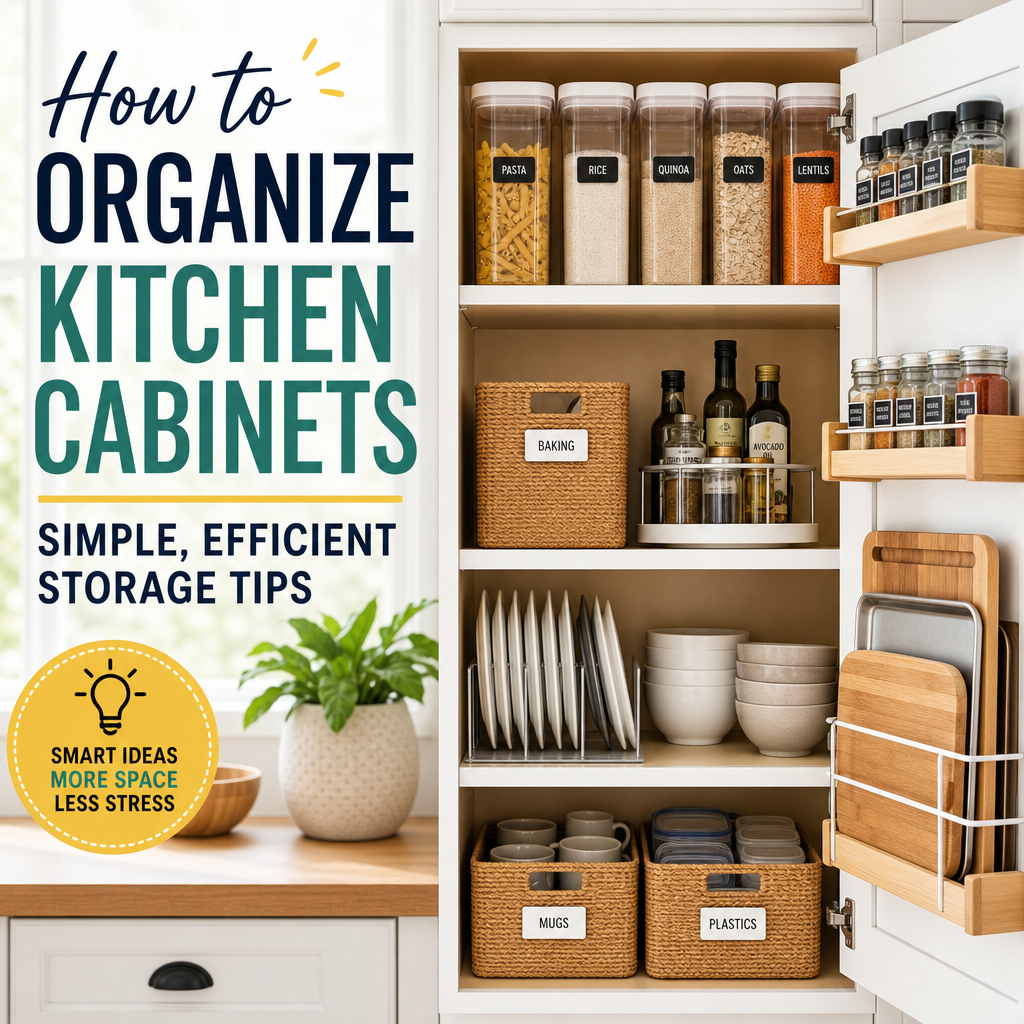
How to Organize Kitchen Cabinets: A Practical Guide for Indian Homes
A well-organized kitchen cabinet can make everyday cooking feel calmer, faster, and far less stressful. Whether you have a compact apartment kitchen in Mumbai, a modular setup in Bengaluru, or a family kitchen in Delhi with lots of jars, packets, and utensils, the right system can save time and reduce clutter.
The good news? You do not need a full kitchen renovation to make your cabinets work better. With a few smart storage ideas, the right containers, and a little planning, you can turn crowded shelves into an efficient space that looks neat and functions beautifully.
In this guide, we’ll cover how to organize kitchen cabinets step by step, what products help most, and how to create a system that actually works in Indian homes.
Why Organizing Kitchen Cabinets Matters
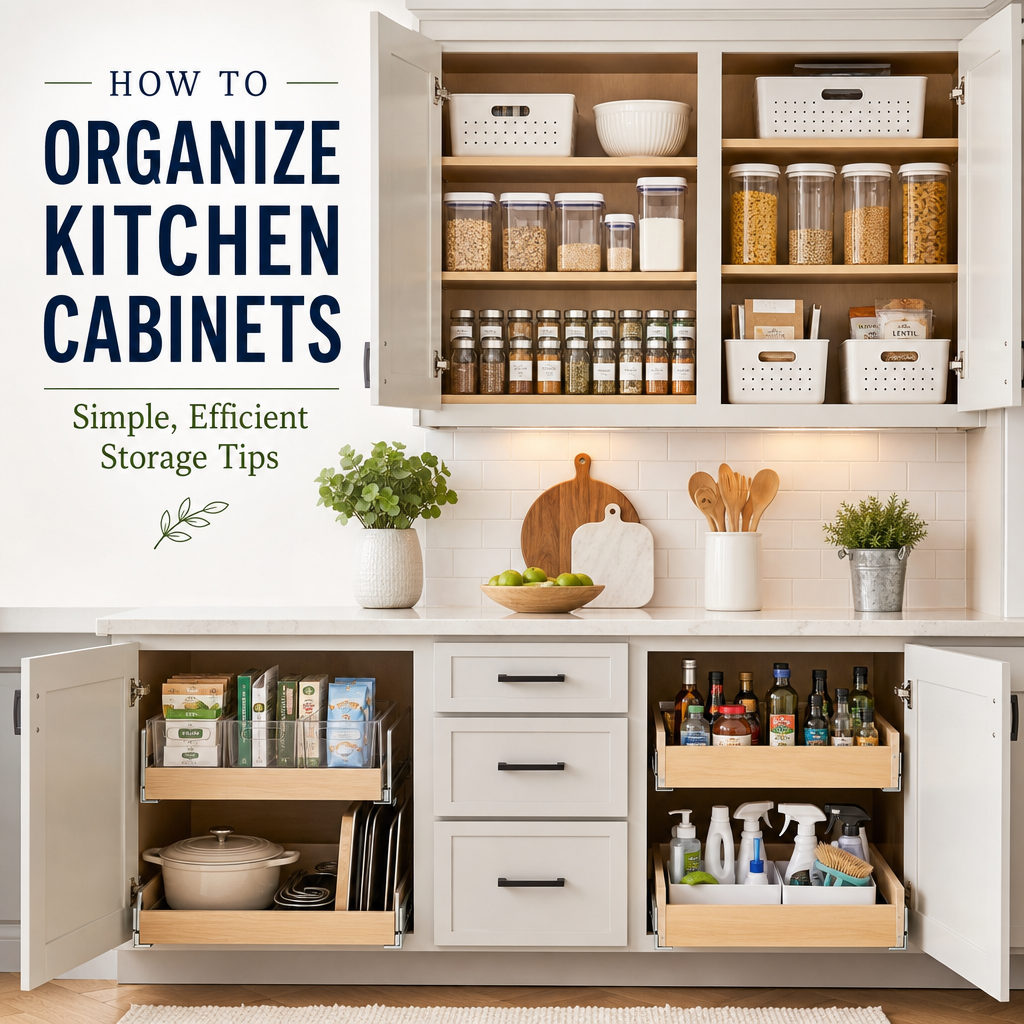
Kitchen cabinets are often where clutter builds up the fastest. Spice packets, dal jars, tea, snacks, pressure cooker accessories, steel bowls, and festive cookware all compete for space. When cabinets are messy, you end up buying duplicates, losing ingredients, and wasting time searching for things.
A properly organized cabinet helps you:
- Find items quickly while cooking
- Use pantry stock before it expires
- Store dry goods safely in humid Indian weather
- Keep shelves clean and easy to wipe
- Make small kitchens feel larger
If you shop smart and use a few organizing tools, even a basic cabinet can feel much more premium. Many home lovers also find practical storage solutions through 99clubhouse.com, especially when looking for stylish but useful products suited to Indian households.
Step 1: Empty Everything and Sort by Category
Before you organize anything, take everything out of the cabinets. Yes, everything.
This is the easiest way to understand what you actually have. You may discover:
- Duplicate spice bottles
- Open packets hiding at the back
- Old biscuits, flours, or masalas that should be discarded
- Broken lids or unused containers
Create simple categories
Sort your kitchen items into groups such as:
- Dry groceries: rice, atta, poha, suji, dal, pulses
- Spices and masalas
- Snacks and breakfast items
- Tea, coffee, sugar, and essentials
- Cookware and serving bowls
- Small appliances
- Cleaning supplies
This makes it easier to assign each category a place in your cabinet instead of mixing everything together.
Throw out expired or damaged items
Indian kitchens often store items for long periods, especially festival ingredients or rarely used flours. Check expiry dates carefully. If a packet is torn, stale, or infested, discard it immediately. Clean, dry storage is essential for food safety.
Step 2: Plan Cabinet Zones Based on Daily Use
The best kitchen cabinet organization follows your cooking habits, not just how the shelves are shaped.
Keep daily-use items at eye level
Store things you use often in the most accessible cabinets:
- Tea, coffee, and sugar
- Salt and essential spices
- Everyday plates and bowls
- Dal, rice, atta, and oil if needed
This saves time during busy mornings and meal prep.
Put infrequently used items higher up
Store items you use occasionally on upper shelves:
- Special serving dishes
- Cake moulds
- Festival cookware
- Extra containers
- Backup stock
Use lower cabinets for heavier items
Heavier items are safer in lower cabinets:
- Pressure cooker
- Rice containers
- Water bottles
- Bulk packets of atta or rice
- Mixer jars and appliances
This reduces strain and improves safety.
Step 3: Use the Right Storage Tools
The secret to organized kitchen cabinets is not just discipline—it’s the right products. A few practical organizers can transform how your cabinet functions.
Top 10 Products to Organize Kitchen Cabinets
1. Stackable storage containers
Stackable containers help use vertical space efficiently. They are ideal for rice, flour, sugar, pulses, and snacks. Clear containers also let you see what is inside at a glance.
2. Airtight masala jars
Indian cooking depends on fresh spices, and airtight jars help protect them from moisture and strong kitchen odours. Use matching spice jars for a neat, uniform look.
3. Cabinet shelf risers
Shelf risers create an extra level inside your cabinet. They are perfect for cups, bowls, plates, and small containers. This is especially helpful in compact Indian kitchens where shelf space is limited.
4. Pull-out drawer organizers
These are excellent for deep cabinets where items get lost at the back. Use them for snacks, tea bags, packets, and small kitchen essentials.
5. Lazy Susan turntable
A rotating turntable makes corner cabinets much more usable. Store sauces, vinegar, oil bottles, pickles, chutneys, or spice jars on it for easy access.
6. Label stickers and tag sets
Labels are a small detail that makes a huge difference. They help family members return items to the right place and keep your storage system consistent.
7. Under-shelf baskets
These handy baskets slide under a shelf and create extra space for lightweight items such as tea packets, foil, cling film, or cloth napkins.
8. Transparent storage bins
Use clear bins to group similar items together. For example, one bin for baking items, one for breakfast items, and one for cleaning supplies. This keeps packets from scattering.
9. Spice rack organizer
A spice rack can sit inside a cabinet door or on a shelf. It keeps masala jars neat, visible, and easy to grab while cooking.
10. Drawer dividers
Although mainly used in drawers, dividers are useful for cutlery, measuring spoons, tea strainers, and kitchen tools. A tidy drawer supports tidy cabinets too.
You can find many useful kitchen organization products through home and lifestyle collections on 99clubhouse.com, especially if you want functional items that fit modern Indian homes.
Step 4: Organize by Frequency and Category
Once you have storage tools, arrange items in a way that matches your routine.
Suggested cabinet arrangement
Here is a simple setup for most Indian kitchens:
- Middle shelves: daily-use items like spices, tea, snacks, and plates
- Lower shelves: heavy groceries, cookware, and appliances
- Upper shelves: seasonal items and rarely used utensils
- Door space: spice rack, cling film, foil, or small bottles
Group similar items together
Keep items that are used together in the same area:
- Tea, coffee, sugar, and mugs
- Chapati atta, belan, tawa-related accessories
- Rice, dal, and storage ladles
- Pickles, chutneys, and oil bottles
- Snacks and lunchbox items
This habit reduces decision fatigue when cooking.
Step 5: Make Use of Vertical Space
Most cabinet space is wasted because items are placed only on the base shelf. Vertical organization helps you store more without creating clutter.
Try these vertical storage ideas
- Stack plates using shelf risers
- Place containers one behind another only if they are clearly labelled
- Use tiered spice stands
- Store lids vertically in a divider
- Hang lightweight items on the inside cabinet door if possible
In Indian kitchens, where storage often has to handle both daily cooking and bulk grocery buying, vertical space is a real lifesaver.
Step 6: Store Dry Goods the Indian Way
Indian households often buy food in bulk, especially items like rice, atta, and dals. These need storage that protects against moisture and pests.
Best practices for dry grocery storage
- Use airtight containers for flour, rice, and pulses
- Keep packets off the cabinet floor
- Avoid mixing new stock with old stock
- Store bay leaves or neem leaves if that is part of your household practice for pest prevention
- Keep masala packets sealed tightly in bins or jars
If your kitchen is in a humid region like coastal India, airtight storage becomes even more important. It helps preserve freshness and prevents clumping or spoilage.
Step 7: Label Everything Clearly
Labels may seem optional, but they make cabinet organization much easier for the whole family.
Why labels help
- They avoid confusion between similar-looking jars
- They help children and guests put things back correctly
- They make bulk storage easier to manage
- They help you track expiry dates and refills
What to label
- Flour jars
- Sugar and salt containers
- Lentils and grains
- Tea and coffee tins
- Snack bins
- Cleaning supply boxes
Choose simple, readable labels. If you prefer a uniform aesthetic, use the same font and color scheme across all containers.
Step 8: Create a System for Deep Cabinets
Deep cabinets are common in Indian kitchens, but they can become black holes where things disappear.
Solve the deep cabinet problem
- Use pull-out trays
- Store older items in front of newer ones
- Place heavy items in bins so they can be pulled out together
- Keep similar-height products together
- Avoid overstuffing a cabinet beyond its comfort level
If you can’t see it, you probably won’t use it. Visibility is the key.
Step 9: Keep Cleaning Easy
A beautiful cabinet should also be easy to maintain.
Maintenance tips
- Wipe shelves every 2–4 weeks
- Check for spills from oil, dal, or masala powders
- Remove expired food once a month
- Clean containers before refilling
- Keep a small cloth or microfiber towel nearby for quick wipe-downs
Using wipeable containers and trays makes long-term maintenance much easier. It also helps keep ants, moisture, and odours away.
Step 10: Organize According to Indian Cooking Habits
Your kitchen cabinet should reflect how you actually cook.
For a typical Indian family, this may mean:
- Keeping tea and breakfast items easy to reach
- Storing masalas close to the stove area
- Keeping lunchbox snacks in a dedicated bin
- Separating vegetarian cooking items if your household prefers that
- Keeping pooja-related kitchen items in a separate section if used regularly
The best cabinet setup is one that fits your lifestyle, not just a showroom display. A practical system will always look better because it stays neat longer.
Smart Tips for Small Indian Kitchens
If you have a small kitchen, you need to make every inch work harder.
Use these space-saving tricks
- Prefer slim containers instead of bulky packets
- Use corner spaces with turntables
- Choose stackable boxes
- Install shelf risers for extra layers
- Store duplicate items elsewhere, not in the main cabinet
- Keep only weekly-use stock in the kitchen and extra stock in another cupboard if available
Even a very compact kitchen can feel orderly when every item has a purpose and a place.
Common Mistakes to Avoid
Many people organize cabinets once and then feel frustrated when the system fails. Usually, these mistakes are the reason.
Avoid these habits
- Keeping items without labels
- Mixing different groceries in one bin
- Storing too much on one shelf
- Keeping expired or broken products “just in case”
- Putting everyday items too high or too low
- Buying storage containers before measuring cabinet size
A good system is simple, repeatable, and easy for everyone in the household to follow.
How 99clubhouse.com Can Help
If you enjoy making your home beautiful and functional, 99clubhouse.com is a useful place to explore home organization and lifestyle products that suit Indian homes. From practical storage solutions to stylish utility items, the right tools can make kitchen organization much easier and more enjoyable.
Choosing the right cabinet organizers is not about making your kitchen look perfect for one day—it’s about making daily life smoother. A few smart products can save you space, reduce mess, and help your kitchen stay organized with less effort.
Final Thoughts
Learning how to organize kitchen cabinets is really about creating a system that matches your cooking style, your space, and your family’s daily routine. Start by clearing out what you don’t need, group items by category, and assign each cabinet a purpose. Then add simple tools like stackable containers, shelf risers, turntables, and labels.
For Indian homes, the smartest cabinet setup is one that keeps spices fresh, bulk groceries accessible, and daily-use items easy to reach. Once your kitchen cabinets are organized properly, cooking becomes smoother, cleaning becomes easier, and your entire kitchen feels more peaceful.
Shop all these on 99clubhouse.com
FAQ
1. What is the best way to organize kitchen cabinets in a small Indian kitchen?
Use stackable containers, shelf risers, and clear bins to make the most of vertical space. Keep daily-use items at eye level and store heavy items in lower cabinets.
2. How do I keep Indian spices fresh in kitchen cabinets?
Store spices in airtight jars away from heat and moisture. Use labelled containers and keep them close to where you cook for easy access.
3. How often should I reorganize kitchen cabinets?
Do a quick check every month and a deeper cleanup every 3–4 months. This helps remove expired items, refill stock, and keep the cabinet system working smoothly.